
Across much of Saudi Arabia the ground is sand, fill, or recently graded soil — exactly the conditions that let a crane outrigger sink. A sinking outrigger shifts load onto the others and can lead to a tip-over in seconds. The good news: it is entirely preventable with the right method.
Why outriggers sink
An outrigger foot is small, so it concentrates enormous pressure on a tiny area. On firm ground that is fine. On sand or fill, the ground simply cannot carry that pressure, so the foot pushes down until it finds resistance — by which point the crane may already be unstable.
The method that keeps you safe
- Assess the ground first. Is it firm, granular, sandy, or filled? Recently backfilled trenches and made-up ground are the most dangerous because they look solid but are not.
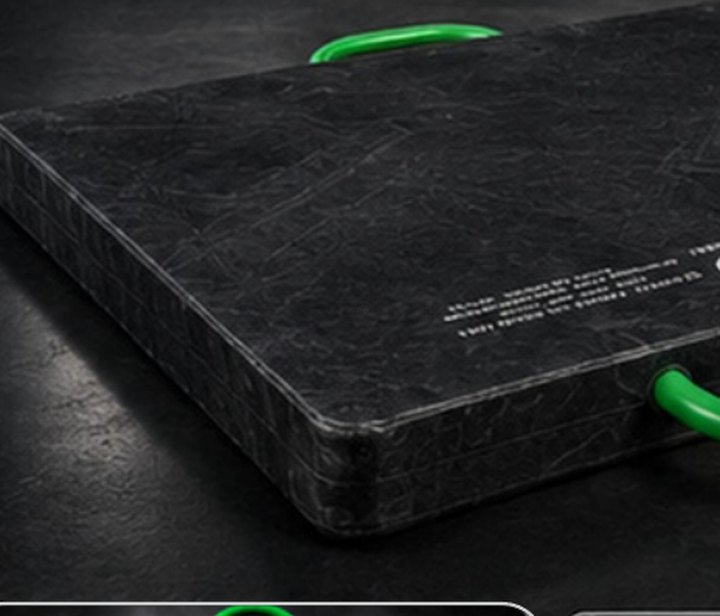
- Use correctly sized outrigger pads. On soft ground you need a much larger pad area to bring the pressure down to what the ground can carry. When unsure, size up.
- Add cribbing for very soft ground. Where a single pad is not enough, build a stable cribbing base under the pad to spread load over an even larger footprint.
- Watch the weather. Rain turns firm ground soft. Ground that held yesterday may not hold today.
- Re-level during the lift. Keep an eye on the crane's level indicator; any drift can mean an outrigger is settling.
Warning signs during a lift
Stop and reassess immediately if you see the crane going out of level, the ground bulging or cracking around a pad, or an outrigger beam visibly settling. These are the early signs of a foundation failure.
Working on sand or soft ground? We stock certified composite outrigger pads in every size — tell us your crane and ground conditions and we will recommend the right pad to keep every lift stable.